

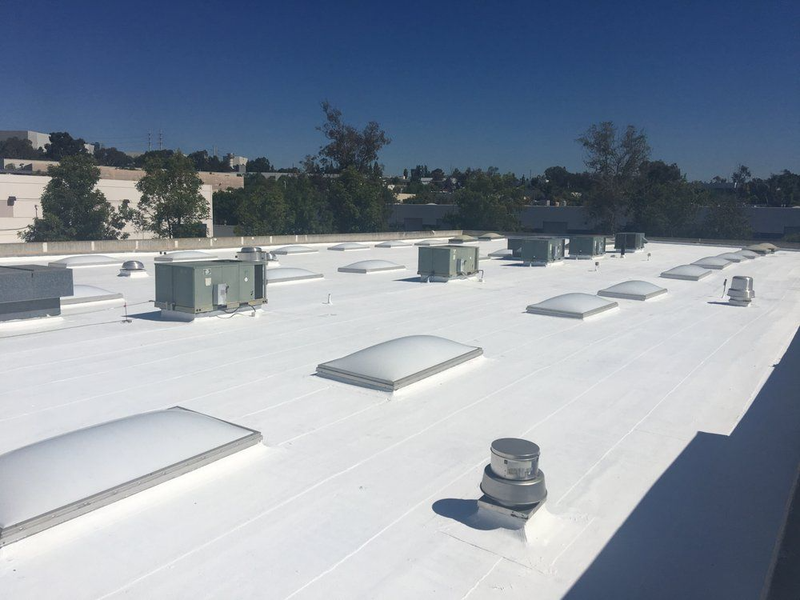
Is your roof showing signs of aging—cracks, minor leaks, or high energy bills—but still structurally sound? A complete roof tear-off is expensive and disruptive. Fortunately, there is a cost-effective, high-performance solution: Elastomeric Roof Coatings . Often called "liquid rubber," these coatings offer a sustainable way to restore, protect, and extend the life of your commercial or residential roof. What is an Elastomeric Roof Coating? Elastomeric roof coatings are fluid-applied, synthetic compounds that cure to form a seamless, monolithic membrane over your existing roof. Unlike rigid roofing materials, they are highly flexible (elastic), allowing them to expand and contract with the, "breathing" with the structure as temperatures change without cracking. [1, 2] Once applied, they form a thick, rubber-like barrier that provides superior waterproofing and reflects UV rays. Key Benefits of Elastomeric Coatings Significantly Extends Roof Life: Adds 10–20+ years to an existing roof, allowing you to defer costly, full replacements. Superior Waterproofing: Creates a seamless, watertight seal over existing metal, modified bitumen, TPO, EPDM, and concrete roofs. Energy Efficiency & "Cool Roof" Properties: Most coatings are white and highly reflective, bouncing sunlight away from the building. This reduces roof surface temperatures, lowering cooling costs and HVAC strain. Reduced Maintenance: A seamless membrane removes the risk of seams lifting, eroding, or leaking, which are common issues in traditional roofing. Compatible Roofing Surfaces Elastomeric coatings are versatile and can be applied to many surfaces, provided they are structurally sound: Metal roofs (often requiring rust treatment first). Single-ply membranes (TPO, PVC, EPDM). Modified Bitumen and Built-Up Roofs (BUR). Spray Polyurethane Foam (SPF). Concrete and cementitious surfaces. When to Use Elastomeric Coatings When your roof has minor leaks: It stops existing leaks and prevents new ones. When you want a "Cool Roof": It significantly improves solar reflectivity. Before the damage is too great: If more than 25% of your roof needs replacement, a total replacement is likely better than a coating, commonly known as the "25% Rule". Conclusion Elastomeric roof coatings are an efficient, durable, and cost-effective method to protect your investment. By reducing energy costs and avoiding the need for a tear-off, they are both environmentally friendly and gentle on your budget.
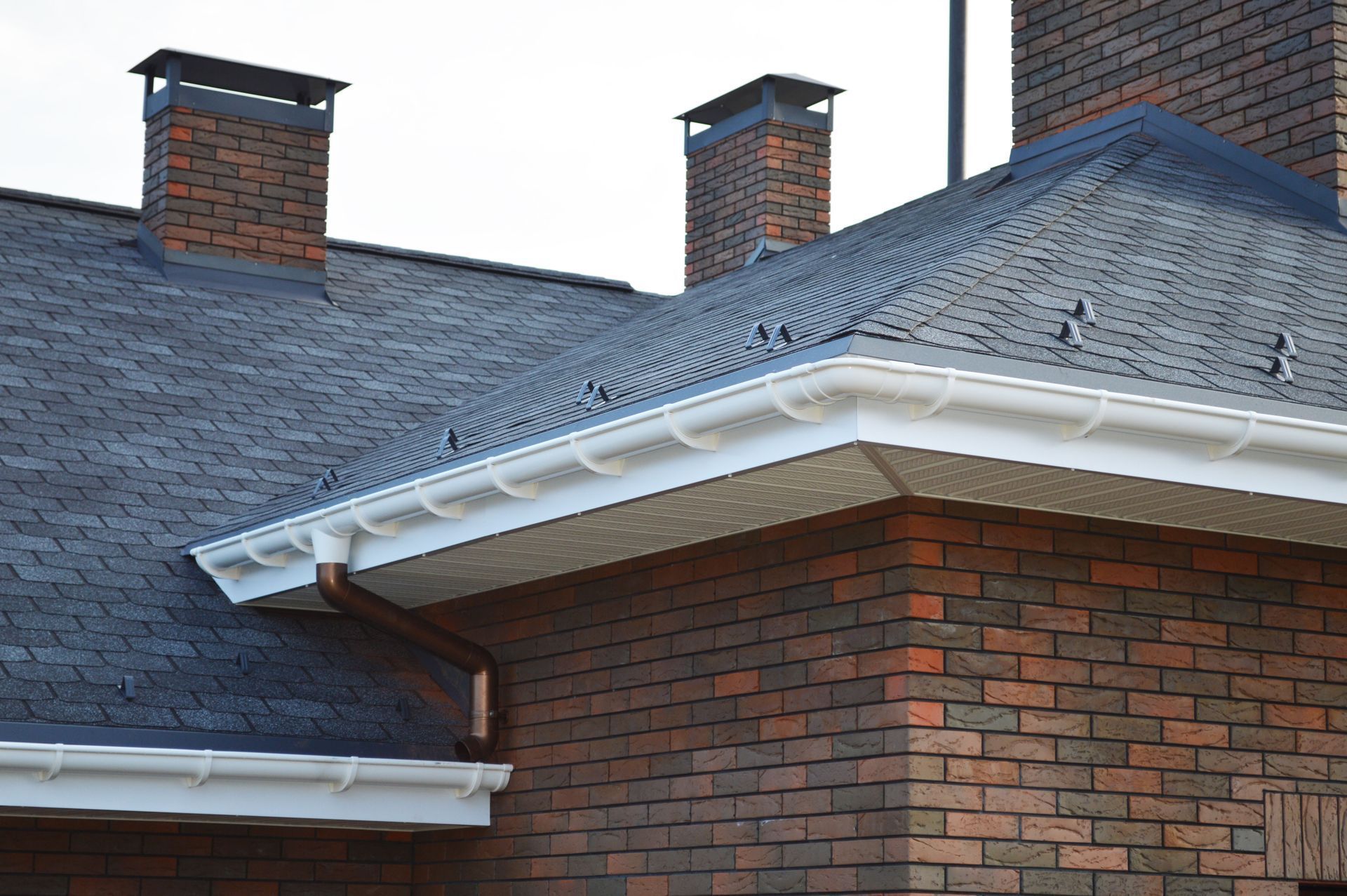
Keeping your roof healthy all year long requires advice from expert roofers. Learn the maintenance checklist you should always keep on hand.


