


Tile roofing is a premium choice known for its exceptional durability, often lasting 50 to over 100 years, and its ability to resist fire, rot, and insects. These roofs are excellent for insulation and energy efficiency, helping to maintain cooler indoor temperatures in hot climates. While they have high upfront costs, often three to five times more than asphalt shingles, their longevity makes them a valuable long-term investment. Key Tile Roofing Topics & Resources Tile Roofing Pros and Cons: Tile offers unmatched durability (50+ years) and fire resistance, but is heavy and fragile, meaning it can crack if walked on or impacted by hail. Material Types (Clay vs. Concrete): Concrete tiles are generally more affordable ($375-$450 per square), while clay tiles offer a classic, durable look ($650-$1500+ per square). Maintenance and Care: While low maintenance, tile roofs require specific care to avoid damage from foot traffic, often needing only broken tiles replaced over their long lifespan. Installation Requirements: Due to their weight, tile roofs may require structural reinforcement and must be installed by trained professionals, making them a poor choice for DIY.
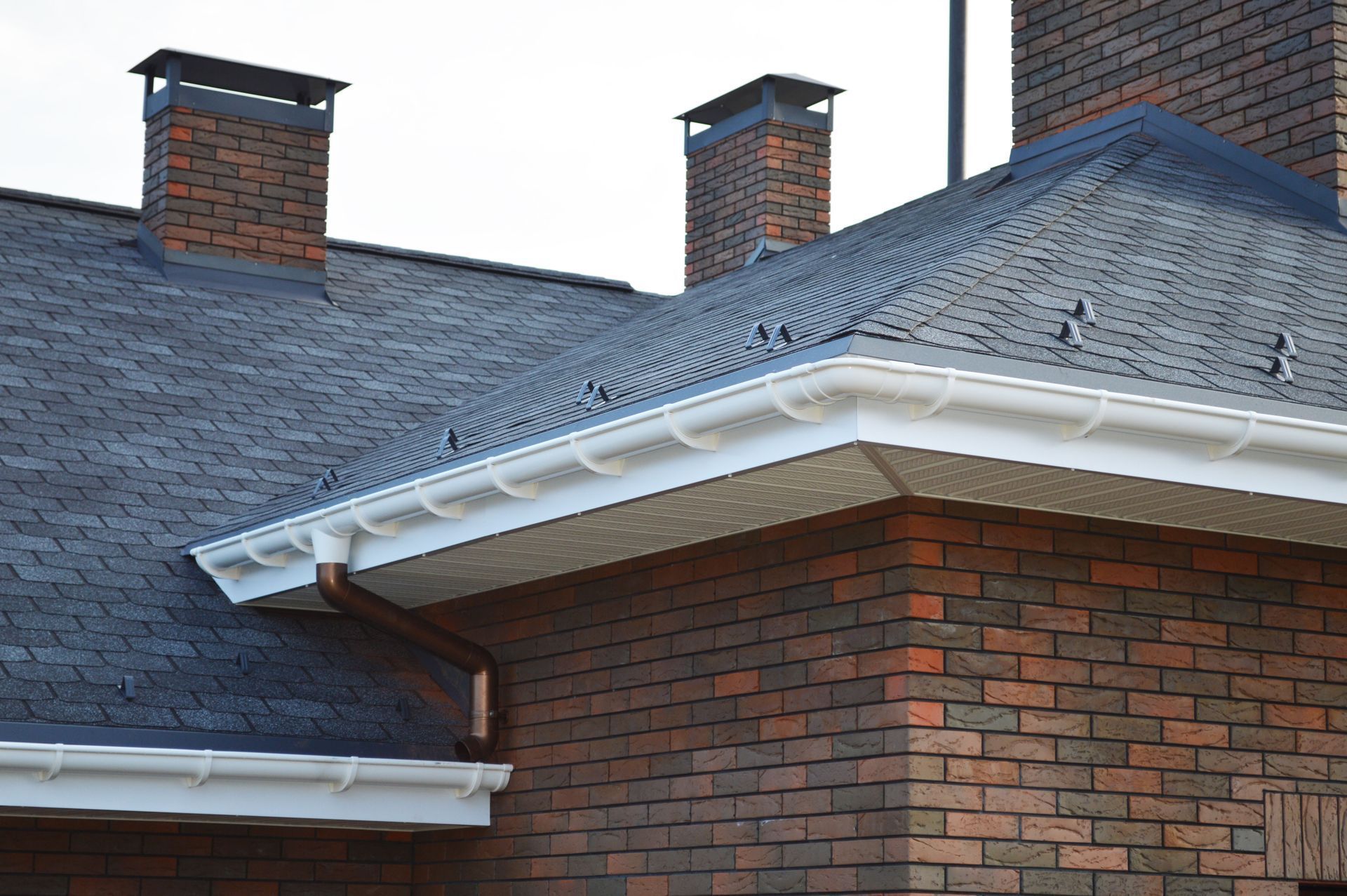
Keeping your roof healthy all year long requires advice from expert roofers. Learn the maintenance checklist you should always keep on hand.


