
How Long Does a Metal Roof Really Last?
February 18, 2026

February 18, 2026

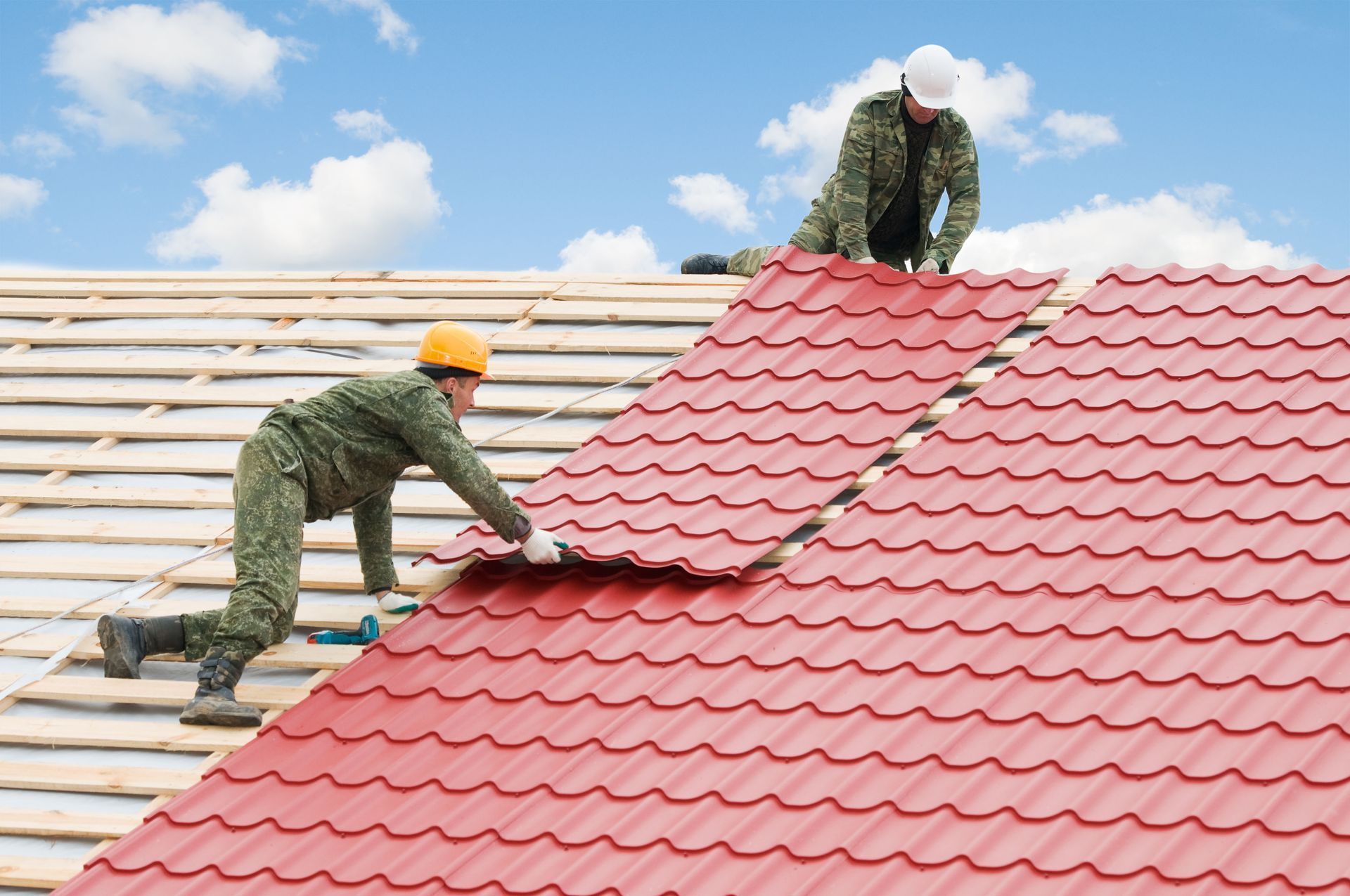
Metal roofing has earned a strong reputation for durability, longevity, and long-term value. Homeowners and property managers often consider metal roofs when they want a solution that can withstand harsh weather while reducing the need for frequent replacement. Even so, one question consistently comes up during the decision-making process: how long does a metal roof really last?


The lifespan of a metal roof depends on several factors, including material selection, installation quality, environmental exposure, and ongoing maintenance. While metal roofing systems are designed to last for decades, real-world performance is shaped by how the roof is installed and cared for over time. According to This Old House, metal roofs can last 50 years or longer if they are properly maintained. In this article, we'll explore the key elements that influence metal roof longevity and what property owners can realistically expect over the life of their roof.


Key Differences Between Metal Roofs and Other Roofing Materials

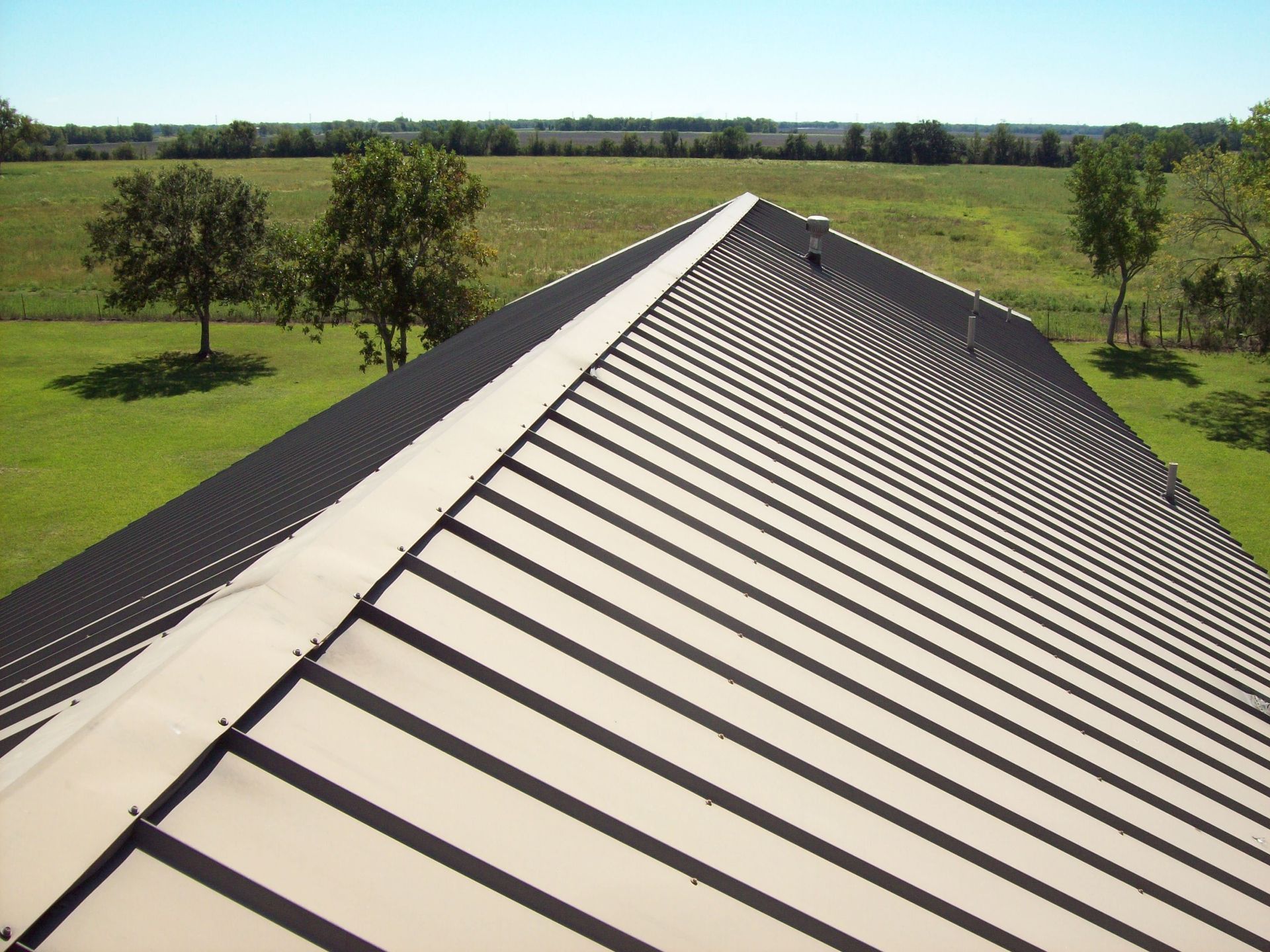
Metal roofs stand apart from traditional roofing options like asphalt shingles in both construction and performance. Rather than relying on layered materials and surface granules, metal roofing panels or shingles are engineered to resist moisture, impact, and temperature fluctuations more effectively.


Metal materials are non-combustible, resistant to rot, and less vulnerable to cracking or warping. These characteristics allow metal roofs to maintain structural integrity far longer than many conventional roofing systems. While asphalt shingles often require replacement within a few decades, metal roofing is designed with long-term performance in mind.


Typical Lifespan Expectations for Metal Roofing Systems

According to This Old House, a well-installed metal roof commonly lasts between 40 and 70 years, depending on the material and conditions it faces. In some cases, metal roofs exceed this range, particularly when they receive routine inspections and upkeep.


This extended lifespan is one of the primary reasons homeowners choose metal roofing despite its higher initial cost. Over time, fewer replacements and reduced repair needs can make metal roofing a more economical choice compared to shorter-lived alternatives.


Impact of Metal Roofing Materials on Longevity

The specific metal used in a roofing system has a significant effect on how long it will last. Common options include steel, aluminum, copper, and zinc, each offering different strengths and durability levels.


Steel roofing is widely used for its strength and affordability, especially when protected by corrosion-resistant coatings. Aluminum offers excellent resistance to rust, making it well-suited for coastal environments. Copper and zinc roofs are known for exceptional longevity, often lasting well beyond 70 years, though they typically come with a higher upfront investment. Choosing the right material helps align performance with environmental conditions and budget goals.


Installation Quality and Its Role in Roof Performance

Even the most durable metal roofing material can fall short if installation is poorly executed. Installation quality plays a direct role in determining how long a metal roof lasts and how well it performs throughout its life.


Improper fastener placement, inadequate flashing, or incorrect panel alignment can lead to leaks, movement, and premature wear. This is why working with experienced roofers is so important. Professionals who understand metal roofing systems account for expansion, contraction, drainage, and manufacturer specifications, all of which contribute to long-term performance.


Environmental Conditions That Influence Roof Lifespan

Climate and environmental exposure significantly affect the aging process of a metal roof. Roofs in regions with high winds, extreme heat, or salt air may experience different wear patterns than those in more moderate climates.


Metal roofs perform well in demanding conditions, but consistent exposure still requires attention. Coastal areas may accelerate corrosion without proper coatings, while regions with wide temperature swings demand installation techniques that allow for thermal movement. Factoring in local conditions helps support a longer-lasting roof.


Ongoing Maintenance Requirements for Metal Roofs

Metal roofs require less maintenance than many other roofing systems, but they still benefit from routine care. Periodic inspections and basic upkeep play a meaningful role in preserving performance.


Maintenance typically includes checking fasteners, inspecting seams, clearing debris from valleys, and monitoring protective coatings. Addressing minor concerns early helps prevent larger issues from developing. Many roofers recommend professional inspections at regular intervals to catch problems that may not be visible from the ground.


Protective Coatings and Their Effect on Durability

Coatings and finishes contribute significantly to metal roof longevity. These protective layers shield the metal from moisture, corrosion, and ultraviolet exposure while helping regulate temperature.


Painted finishes, galvanization, and specialized sealants add another level of defense against environmental stress. Over time, recoating may be recommended to maintain protection and appearance. When applied and maintained correctly, coatings can extend the functional life of a metal roof by many years.


Fasteners, Clips, and Hardware Considerations

While often overlooked, fasteners and hardware are critical components of a metal roofing system. Over time, fasteners can loosen, seals can degrade, and movement can occur if hardware is not designed for long-term use.


High-quality fasteners with weather-resistant washers reduce the risk of leaks and panel displacement. Routine inspections help identify worn components before they compromise the roof. Attention to these details supports consistent performance across decades.


Long-Term Comparison With Asphalt Shingle Roofs

When evaluated over time, the lifespan difference between metal roofs and asphalt shingles becomes clear. Based on our experience, asphalt shingles generally last between 15 and 25 years, depending on quality and environmental conditions.


Metal roofs often last two to three times longer while maintaining their appearance and structural integrity. They resist cracking, curling, and surface deterioration more effectively, making them a strong choice for homeowners focused on long-term durability.


Common Indicators of an Aging Metal Roof

Although metal roofs are known for longevity, they will eventually show signs of wear. Indicators may include widespread corrosion, recurring leaks, panel separation, or failing fasteners across large areas of the roof.


Not all signs of aging require replacement. Many issues can be addressed through targeted repairs. However, when deterioration becomes extensive, replacement may be the most practical solution. Experienced roofers can help evaluate the roof's condition and recommend the best course of action.


Repair Options That Help Extend Roof Life

One of the advantages of metal roofing is its repairability. Timely repairs can significantly extend the lifespan of a metal roof and delay the need for full replacement.


Replacing damaged panels, resealing seams, updating coatings, and correcting fastener issues can restore performance and reliability. Professional assessments help determine which repairs provide the most value based on the roof's age and condition.


Energy Efficiency and Long-Term Roof Performance

Metal roofs contribute to long-term performance through energy efficiency as well as durability. Reflective finishes help reduce heat absorption, lowering cooling demands during warmer months.


Reduced thermal stress can also benefit the roof itself by minimizing expansion-related wear. This combination of efficiency and resilience supports consistent performance over the roof's lifespan.


Professional Expertise and Its Impact on Longevity

Selecting qualified professionals is one of the most important steps in achieving a long-lasting metal roof. Knowledgeable roofers understand material behavior, regional climate challenges, and proper installation techniques.


Professional guidance also helps homeowners choose appropriate materials and maintenance plans. The right expertise from the start often results in better performance and fewer issues over time.


Metal roofs are widely recognized for their durability, but their true lifespan depends on multiple factors. With high-quality materials, proper installation, and routine maintenance, metal roofs can last 50 years or longer, making them one of the most reliable roofing options available. Climate conditions, protective coatings, and ongoing care all play a role in determining long-term performance.


If you're considering a metal roof or want to evaluate the condition of your existing one, reach out to our team of experienced roofers at Christensen Roofing. A professional consultation today can help protect your investment and keep your roof performing reliably for decades to come.

roofer
January 13, 2026
Thinking about a new roof? Learn the top benefits of choosing metal roofing and how a professional roofer can help you get long-lasting results.
roofers
November 11, 2025
Keeping your roof healthy all year long requires advice from expert roofers. Learn the maintenance checklist you should always keep on hand.