
7 Signs You Need a New Roof
Most homes in America are now old enough to be on their second or third roof. As of 2023, the median age of an owner-occupied home was 41 years, and about 48% of all homes were built before 1980, according to the National Association of Home Builders.
If your house falls in that group, knowing the signs you need a new roof can save you from a ceiling stain turning into a full repair bill.
So how do you tell normal wear from real trouble? Here are the seven signs roofers look for first, plus what they mean for homes in Escondido and North County San Diego.
How Long Should Your Roof Last?
The first sign you need a new roof, and the starting point for any decision on when to replace roof system, is age. These are typical ranges as shown in InterNACHI's life expectancy chart, based on regular maintenance:
| Roofing Material | Typical Lifespan |
|---|---|
| 3-tab asphalt shingles | About 20 years |
| Architectural asphalt shingles | About 30 years |
| Modified bitumen (flat roofs) | About 20 years |
| Wood shakes | About 25 years |
| Metal | 40 to 80 years |
| Clay or concrete tile | 100+ years for the tile itself |
InterNACHI also notes that hot climates can significantly reduce asphalt shingle life, which matters in inland North County, where roofs face months of sun.
7 Signs You Need a New Roof
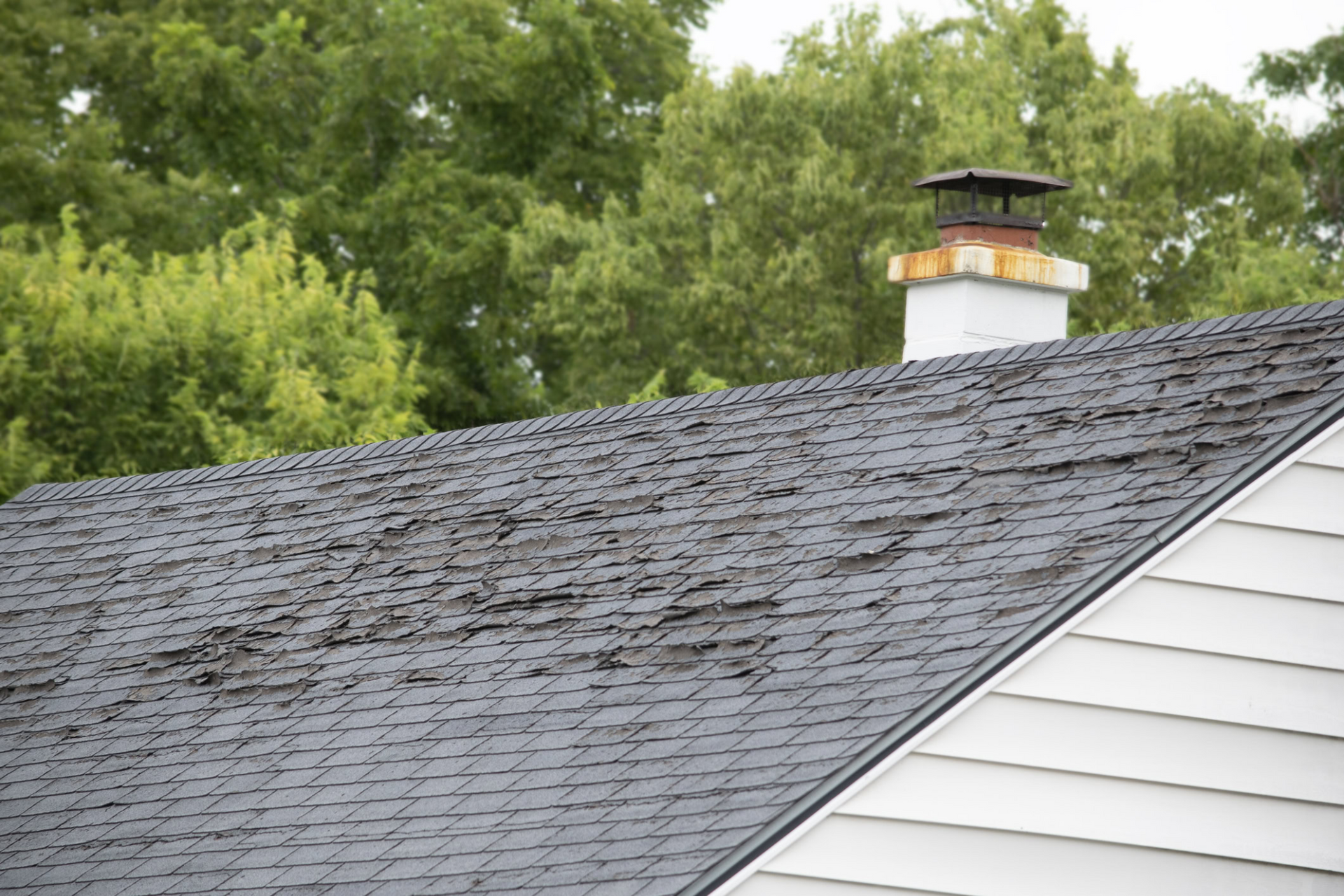
How do I know if my roof needs to be replaced? Here are 7 signs you need a new roof, in the order a roofer would check them.
1. Your Roof Is Near the End of Its Lifespan
Even if your shingle roof shows no damage, if it's 20 years old or older, it's time to take a closer look. If you're unsure of the roof's age, check with the previous owner or the permit records.
2. Shingles Are Curling, Cracking or Missing
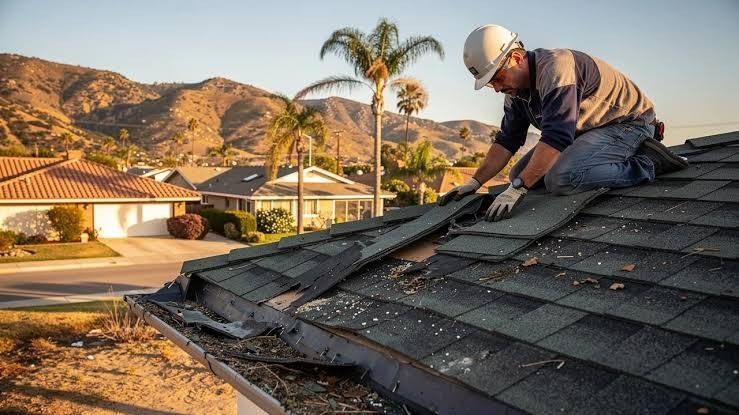
Some of the most common signs it is time for a new roof are curled edges, cracked tabs, and bare spots. Check your gutters as well. If granules have significantly accumulated, the shingles are losing their protective material.
3. Tiles Are Cracked or Slipping
While tile can last a century, the underlayment beneath it wears out much sooner and is key to keeping water out. Loose tiles, cracked tiles, or leaks under a tile roof that appears fine may indicate that the underlayment is failing.
4. Water Stains or Daylight in the Attic
Water or air infiltration in the attic can show up as brown ceiling spots, peeling paint, damp insulation, or light peeking through roof boards. If you have only one leak, it may be a roof leak repair; if you have multiple leaks in different areas, that is one of the clearest signs it's time for a new roof. If you’re seeing leaks in just one area and the roof is under 15 years old, a targeted roof leak repair may be all you need. But if multiple signs from this list apply, the next step is understanding how much a roof replacement costs in San Diego County so you can plan and budget before the problem gets worse.
5. The Roofline Sags
If the ridge or eaves dip or wave, the underlying decking has likely softened or absorbed moisture. Among all the indicators it's time for a new roof, this one can't be ignored and requires immediate action.
6. Flashing Is Rusted, Loose or Cracked
Flashing seals the joints around chimneys, vents, and skylights. According to InterNACHI, water usually enters at flashing connections before the flashing itself fails.
7. Repairs Keep Adding Up
Patching the same roof every year? If repair costs add up year after year, you're paying to postpone the inevitable. Higher cooling costs may also indicate roof failure and inadequate attic ventilation.
Signs Roof Needs Replacement California Homeowners Should Know
The signs of roof replacement in California differ slightly from what you find online for snow belt homes. Here, you don't have to worry about damage from freezing temperatures or ice dams. Instead, watch for:
● Sun & heat damage: shingles that are brittle, faded, or blistered on the south and west slopes.
● Worn tile underlayment: found on older Spanish tile and concrete tile homes throughout the county.
● Fire zone rules: homes in designated fire-hazard areas require Class A-rated roof assemblies when they reroof.
● Energy code: California's Title 24 can require cool-rated roofing products on a reroof in warmer climate zones, according to the Cool Roof Rating Council.
Roof Replacement Signs Escondido, CA Homeowners Notice First
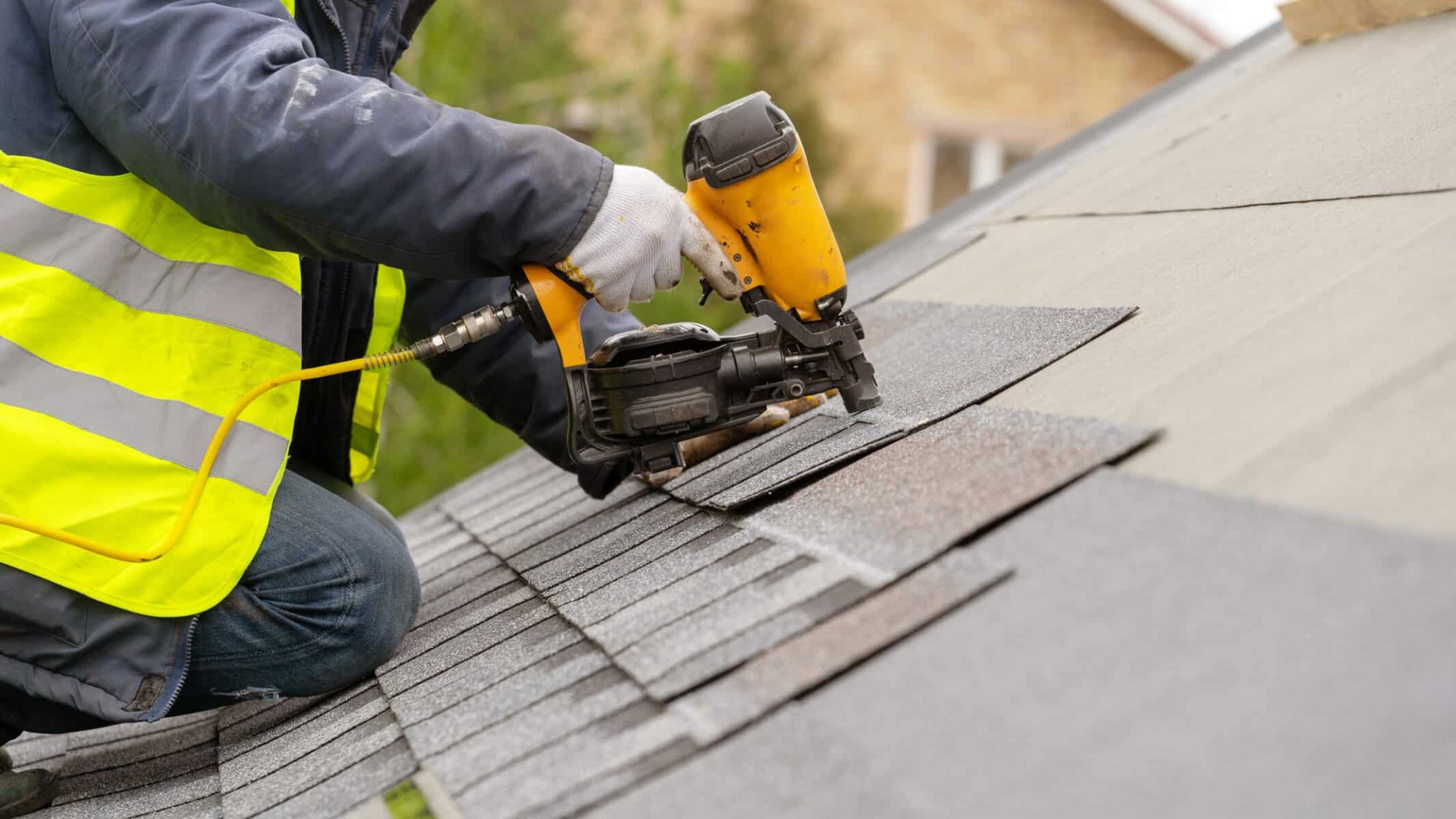
Roof replacement signs Escondido, CA homeowners notice first are usually heat-related: granules in the gutters, curling on sunny slopes, and attics that stay hot well into the evening. It's more common in inland valleys like Escondido than in coastal cities. Our Escondido roofing page covers the local services available.
| What You See | Usually Means |
|---|---|
| One leak after a storm, roof under 15 years old | Repair |
| A few missing shingles or cracked tiles | Repair |
| Leaks in several areas | Replacement likely |
| Sagging decking | Replacement likely |
| Widespread granule loss or curling | Replacement likely |
| Sound tile, worn underlayment | Underlayment replacement with tile reused |
Every sign you can check off the list suggests replacing your roof, rather than patching it, is a better idea.
Christensen Roofing has been serving Escondido and North County San Diego since 1982. As a licensed roofing contractor in Escondido, we inspect, repair, and replace roofs across the entire region with no subcontractors and no shortcuts.
Final Thoughts
Roofs don't usually collapse overnight. They send signals first: curling shingles, falling tiles, ceiling stains, and repair bills that never end. Finding out early on the signs you need a new roof gives you time to plan, get quotes, and choose materials instead of dealing with an emergency leak.
As a family-owned roofer, Christensen Roofing has served North County San Diego since 1982, and every consultation includes an in-depth roof inspection.
Not sure what your roof is telling you? Schedule your complimentary roof inspection today.
FAQs
My tile roof looks fine, but I have a leak. Does the whole roof need to come off?
Not necessarily. Clay and concrete tile can last 50 to 100+ years, but the underlayment beneath it typically wears out in 20 to 25 years especially in inland areas like Escondido where heat accelerates deterioration. In many cases, a contractor can lift the existing tiles, replace the underlayment, and re-lay the same tiles. This costs significantly less than a full replacement. However, if the tiles themselves are cracked or broken in multiple places, or the decking underneath has softened from moisture, a full reroof may be the better option.
I found granules from my shingles in the gutters. How urgent is this?
It depends on how much you’re finding and how old the roof is. Some granule loss is normal on a brand-new roof loose granules shed during manufacturing. On an older roof, heavy granule loss in the gutters means the shingles are losing their UV-protective coating, which accelerates weathering. Once the granule layer is significantly worn, shingles can crack and fail within a few seasons. If your roof is 15 years or older and granules are consistently filling your gutters, have it inspected you’re likely within a few years of needing replacement.
My roofline dips in the middle. Can it be fixed without replacing the whole roof?
A sagging roofline almost always indicates structural damage softened decking, broken rafters, or rotted sheathing from long-term moisture exposure. The roofing material itself is a secondary concern at that point. Some localized sags from a single damaged rafter can be repaired, but a widespread dip along the ridge or eaves typically means the decking needs replacement across a large area, which is effectively a full reroof. This is one sign that should not be delayed a sagging roof can worsen quickly and poses a safety risk.
Does California’s Title 24 apply when I replace my roof in Escondido?
Yes, in most cases. California’s Title 24 energy code requires cool-rated roofing products when you reroof in warmer climate zones which includes Escondido and most of inland San Diego County. This means the new roofing material must meet a minimum solar reflectance rating. Most modern asphalt shingles and tile products sold in California already carry a Title 24-compliant rating, so this rarely limits your material choices. Your roofing contractor should pull the correct permit and confirm compliance it’s part of a standard reroof in the county.
If my home is in a fire hazard area, does that affect what roofing I can use?
Yes. Homes in California’s designated High or Very High Fire Hazard Severity Zones which include parts of Escondido and surrounding North County communities are required to use Class A-rated roof assemblies when reroofing. Class A is the highest fire-resistance rating. Asphalt shingles, concrete tile, clay tile, and metal roofing all commonly meet Class A requirements. Wood shakes do not, and replacing a wood shake roof in a fire zone requires switching to a compliant material. A licensed C-39 roofing contractor familiar with San Diego County permits will handle this as part of the scope.